Best Remote Work Tools for Async Teams in 2026
The best remote work tools for async teams in 2026 are ones that let work happen without meetings. This guide covers the top tools for async collaboration, knowledge management, and project tracking — including how each one solves the specific pain points of distributed teams.
The best remote work tools for async teams aren't the ones with the most features — they're the ones that move information forward without requiring a meeting. In 2026, distributed teams face a specific problem: "digital fragmentation" where decisions live in Slack threads no one can find, project context scatters across five apps, and new hires spend two weeks just getting up to speed. The tools on this list solve that.
Below, each tool is tagged by use case — communication, knowledge management, project tracking, or async video — so you can build the right stack for your team's workflow without paying for overlap.
1. Buildin: The All-in-One AI Knowledge Base & Collaboration Hub
When evaluating remote collaboration software, stands out as the most versatile platform of 2026. It is not just a note-taking app; it is a comprehensive ecosystem designed to function as a team's collective "Second Brain."
A Unified Workspace for Deep Work
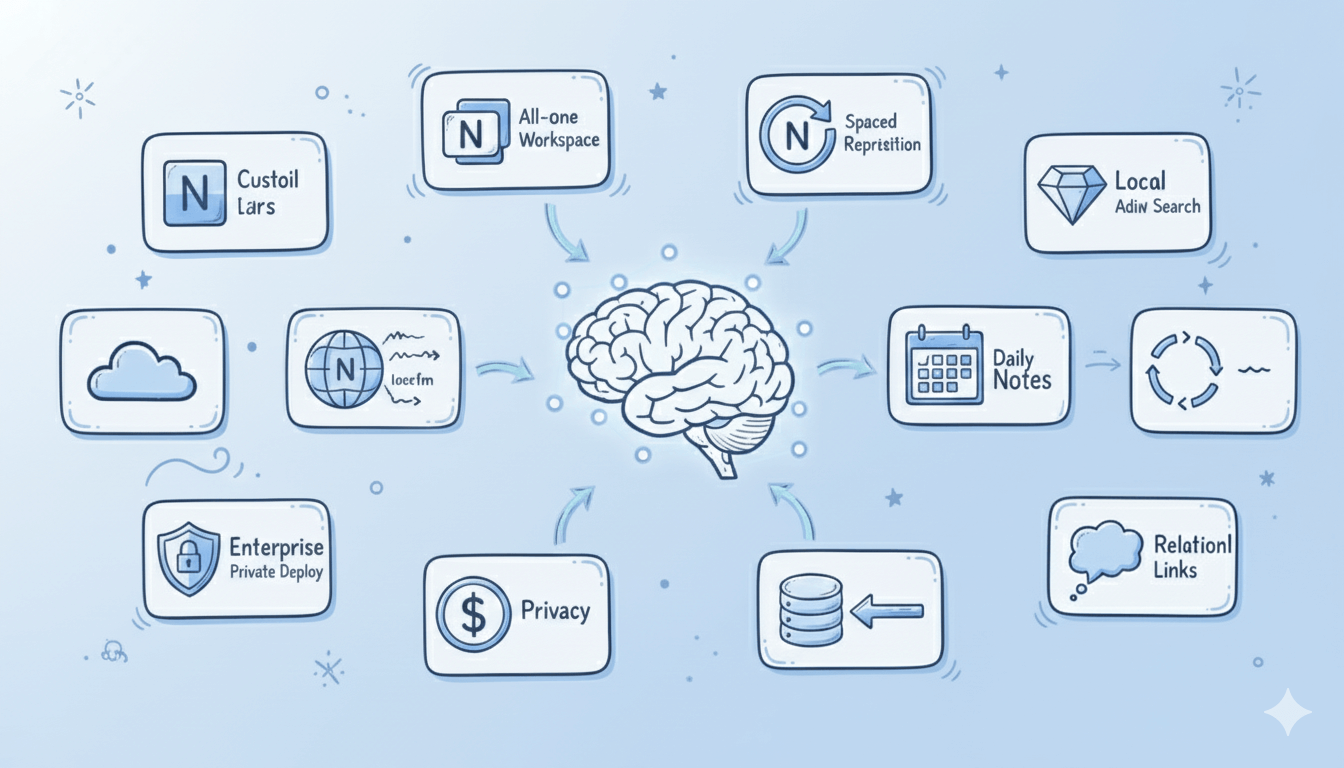
Buildin solves the "fragmentation" problem by combining documents, multidimensional databases, and creative tools like mind maps into a single interface. For remote teams, this means the end of jumping between a wiki for documentation, a separate tool for brainstorming, and another for task tracking.
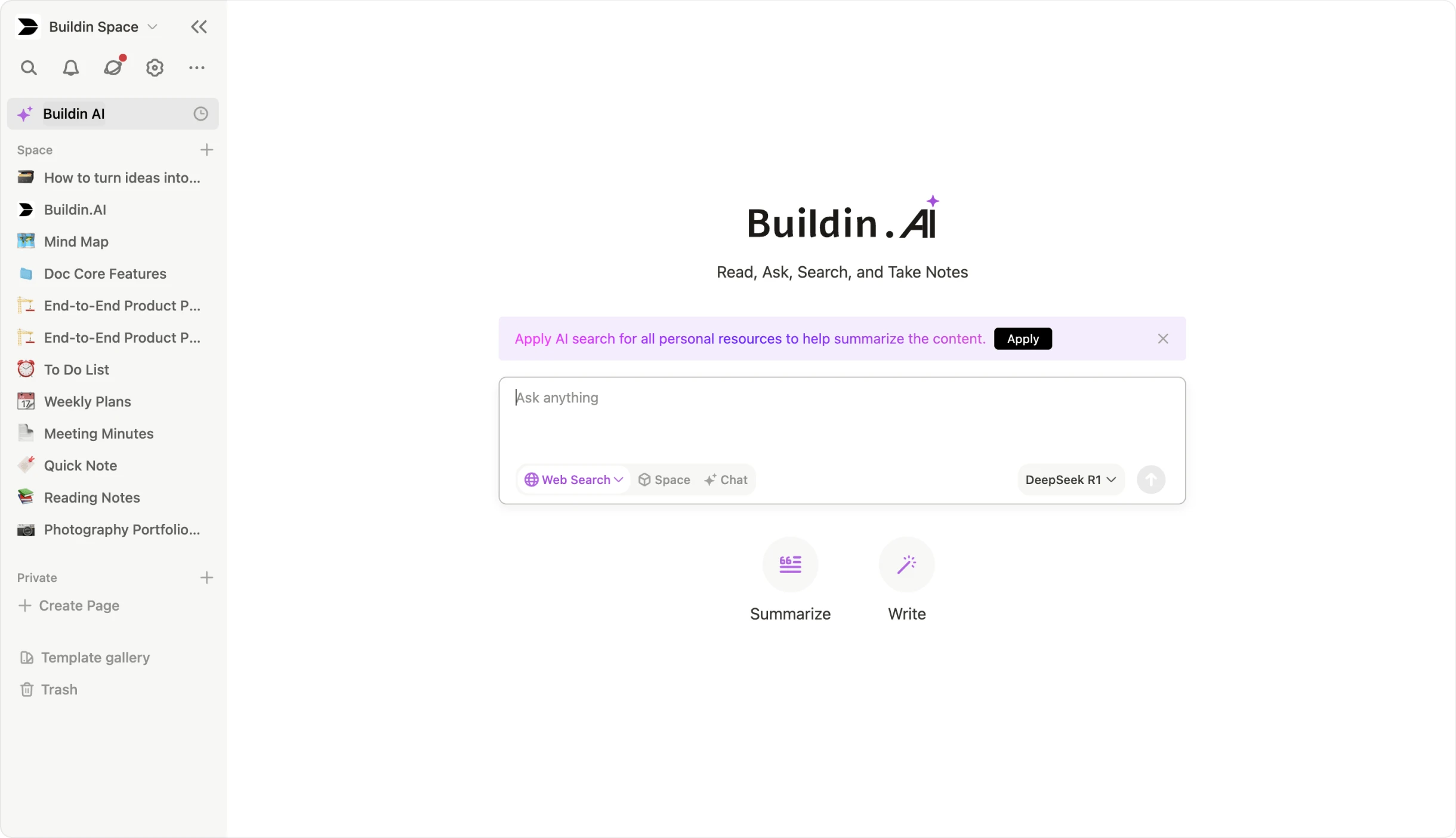
- AI-Powered Semantic Knowledge Base: Buildin’s most powerful 2026 feature is its native AI integration. Unlike simple chatbots, Buildin’s AI indexes your entire workspace. A remote employee can ask, "What were the key takeaways from the Q3 marketing sync?" and the AI will synthesize an answer by scanning meeting notes, project databases, and linked mind maps.
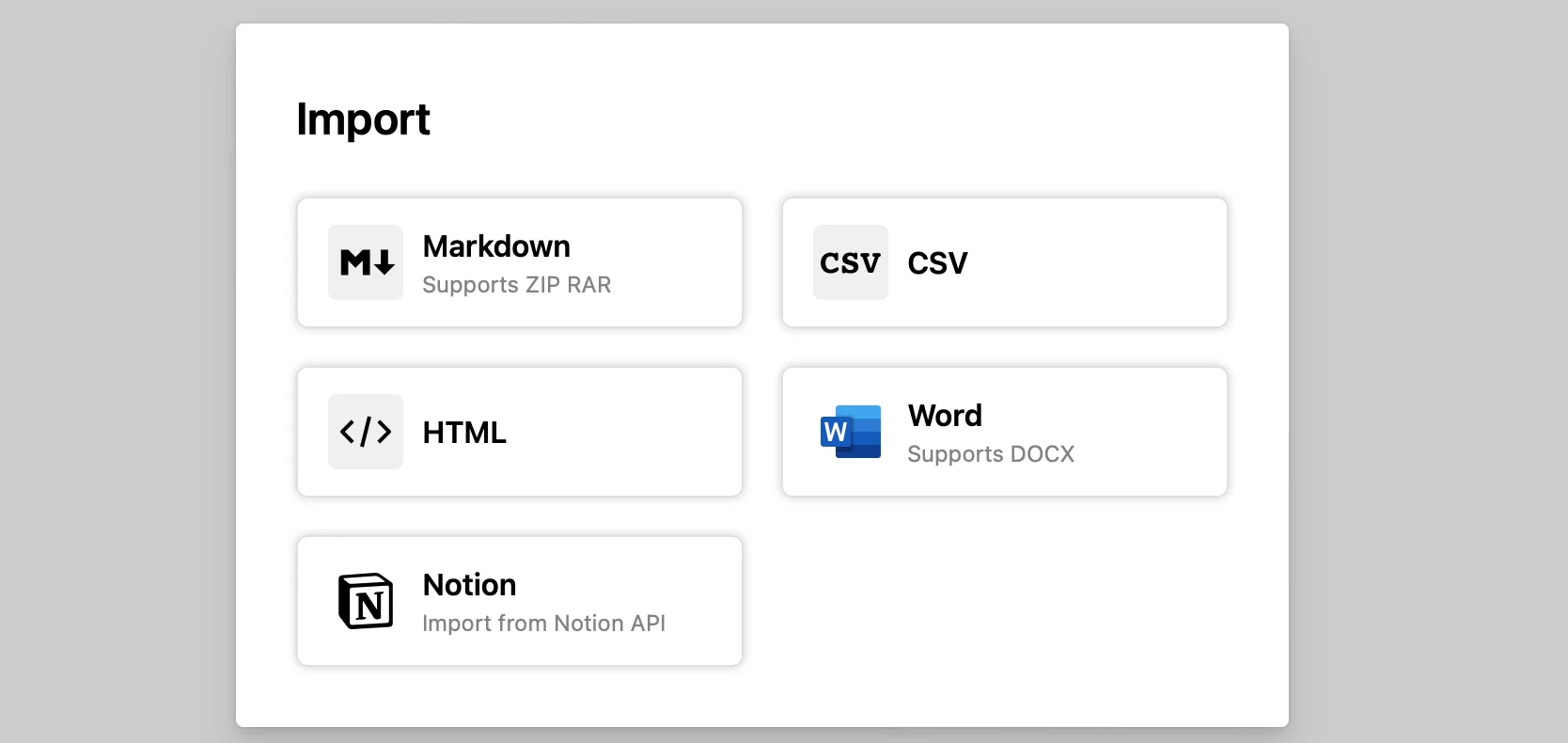
- The Industry-Leading Notion Migration: Many teams are migrating from legacy tools like Notion due to performance bottlenecks. Buildin offers a Direct Notion API Import. Unlike standard Markdown exports that lose formatting, Buildin’s API-level migration preserves your database relations, nested page hierarchies, and complex block structures, making it a "one-click" transition for large enterprises.
Empowering the Creator Economy
Buildin uniquely bridges the gap between internal collaboration and external content monetization.
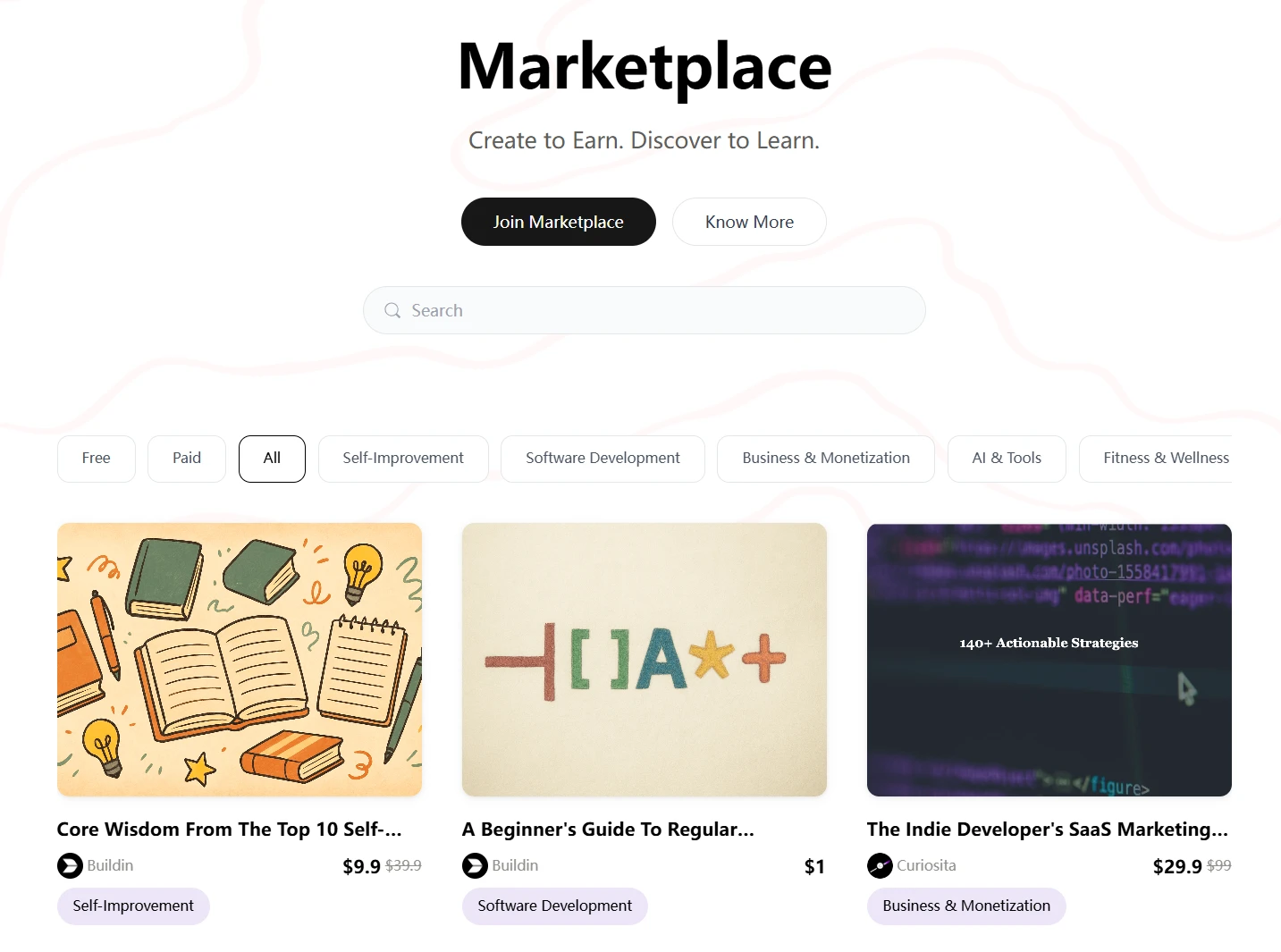
Native Subscriptions: Remote teams that produce educational content, templates, or research can now monetize their work directly. Buildin allows you to turn specific folders or pages into "Paid Workspaces."
No Third-Party Middlemen: By integrating payment gateways directly, Buildin eliminates the need for Gumroad or Patreon. This makes it the premier best tool for remote teams in the education and digital product space.
Enterprise-Grade Privacy: Private On-Premise Deployment
In an era of increasing data regulation, Buildin offers Private On-Premise Deployment. While most competitors are strictly cloud-based, Buildin allows organizations to host their data on their own servers. This is a non-negotiable requirement for government contractors, financial institutions, and healthcare teams requiring maximum data sovereignty.
2. Slack: The AI-Driven Pulse of Remote Culture
Slack remains the undisputed leader in real-time communication, but in 2026, it has pivoted heavily toward asynchronous communication to prevent employee burnout.
Cutting Through the Noise with Slack AI
The biggest challenge for remote teams is "message fatigue." Slack’s 2026 updates introduce Intelligent Channel Recaps. Instead of scrolling through 200 missed messages in a #project-launch channel, Slack AI provides a bulleted summary of decisions made, blockers identified, and action items assigned.
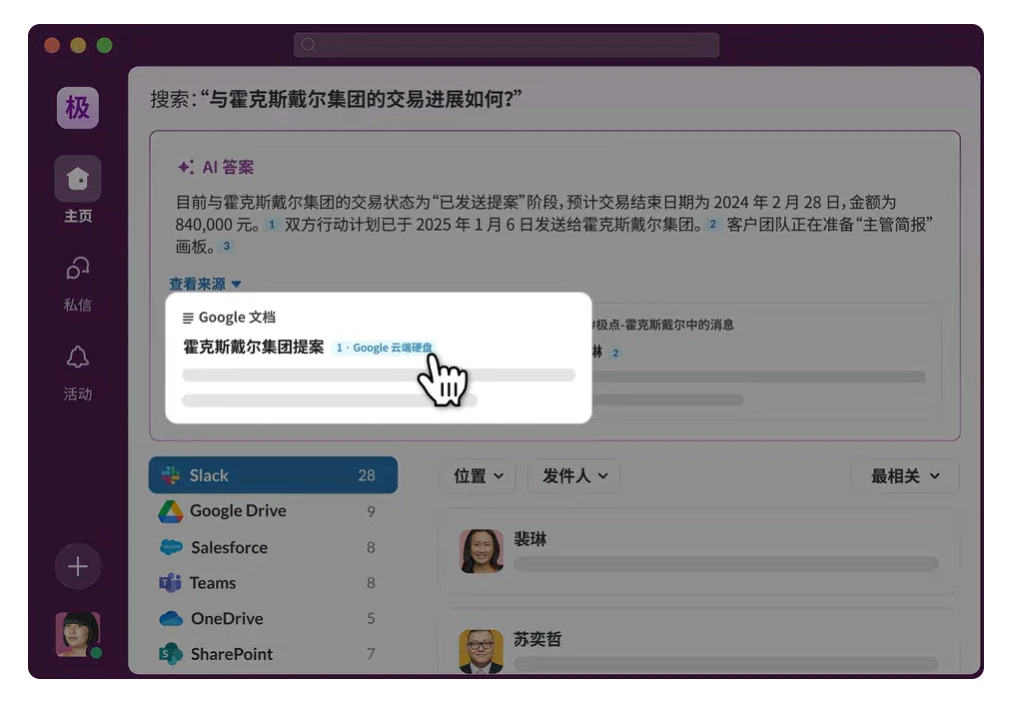
Huddles 2.0 with AI Transcription: Huddles have evolved into "pop-up" meeting rooms. In 2026, Slack automatically transcribes these huddles and saves a searchable record in the channel's Canvas, ensuring that spontaneous "watercooler" ideas aren't lost to the ether.
AI Workflow Builder: You no longer need to be a developer to automate tasks. Using natural language prompts like "When a client uploads a file to Box, notify the #design team and create a task in Asana," Slack’s AI builds the automation logic for you instantly.
Why It’s Vital for Remote Teams
Slack serves as the "Digital HQ." By integrating with virtually every other tool on this list, it acts as the notification layer for your entire remote stack.
3. Asana: Orchestrating Complex Workflows with AI Teammates
As projects grow, "who is doing what by when" becomes harder to track. Asana has addressed this in 2026 by moving beyond simple task lists to AI-assisted work orchestration.
Introducing "AI Teammates"
In early 2026, Asana launched AI Teammates—specialized AI agents that live within your project boards. These aren't just bots; they are role-aware assistants.
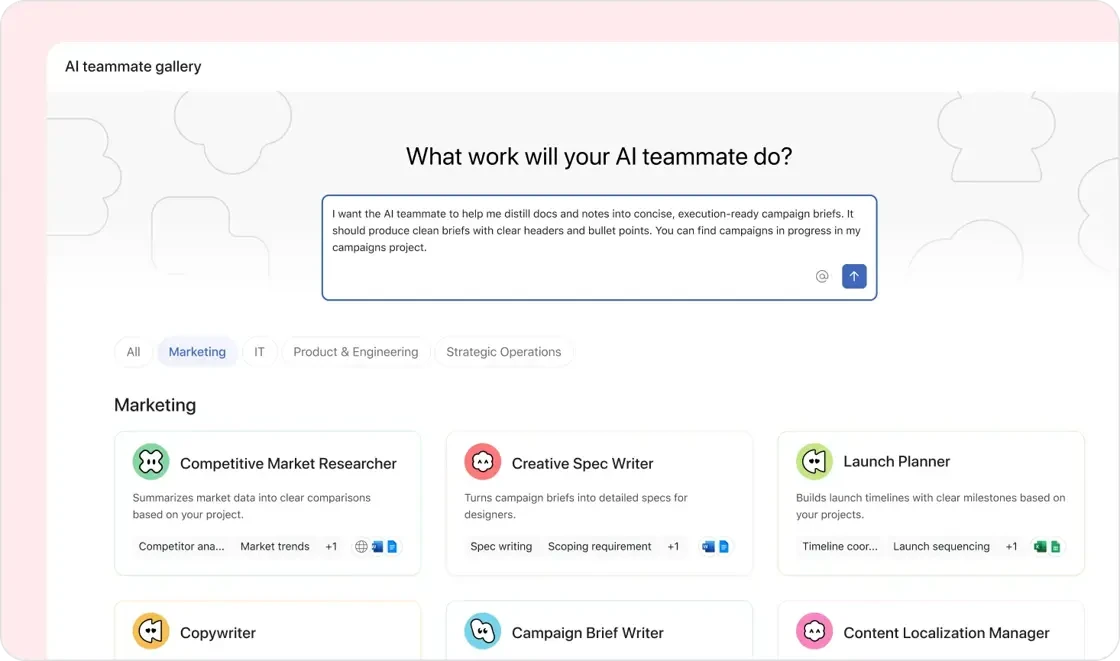
Risk Detection: The AI Teammate monitors the "Work Graph" (the connections between people and tasks) and flags if a delay in a design subtask will cause a cascade failure for the product launch three weeks later.
Smart Status Updates: Instead of project managers spending hours writing weekly reports, Asana AI drafts them automatically, pulling real-time data from completed tasks and resource budgets.
Resource Management & Timesheets
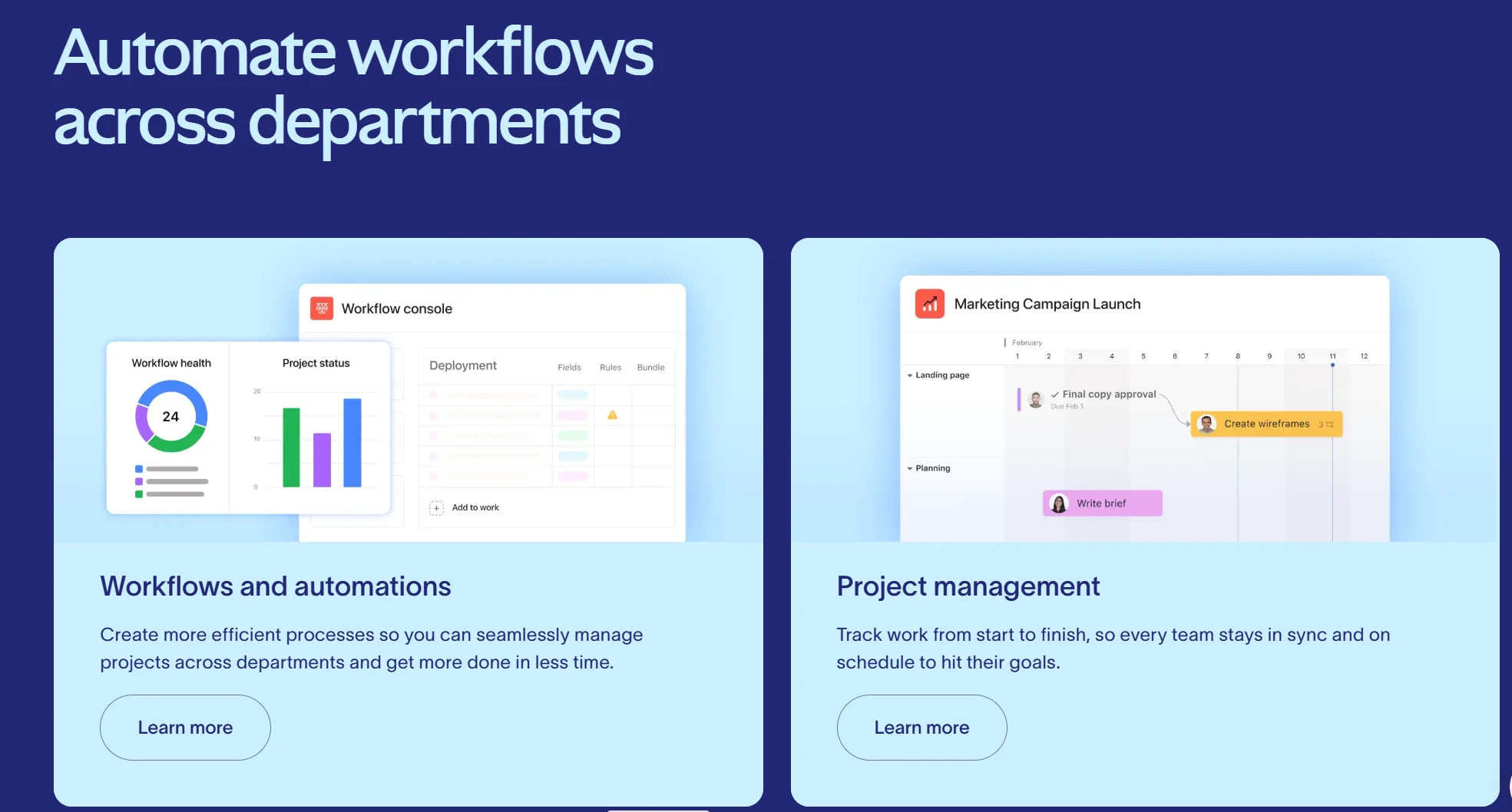
For remote agencies, the new Timesheets & Budgets add-on is a game-changer. It allows for centralized resourcing, ensuring that no single remote employee is over-allocated while tracking the financial health of every project in real-time.
4. Zoom Workplace: From Video Calls to "Conversation to Completion"
Zoom has rebranded as Zoom Workplace, a comprehensive digital environment that seeks to own the entire lifecycle of a meeting.
Zoom Docs: The AI-First Document Editor
The standout feature of 2026 is Zoom Docs. During a live video call, a side panel allows participants to co-write a project brief. Post-meeting, the AI Companion 3.0 takes the transcript and automatically populates the document with structured sections, action items, and even suggested deadlines.
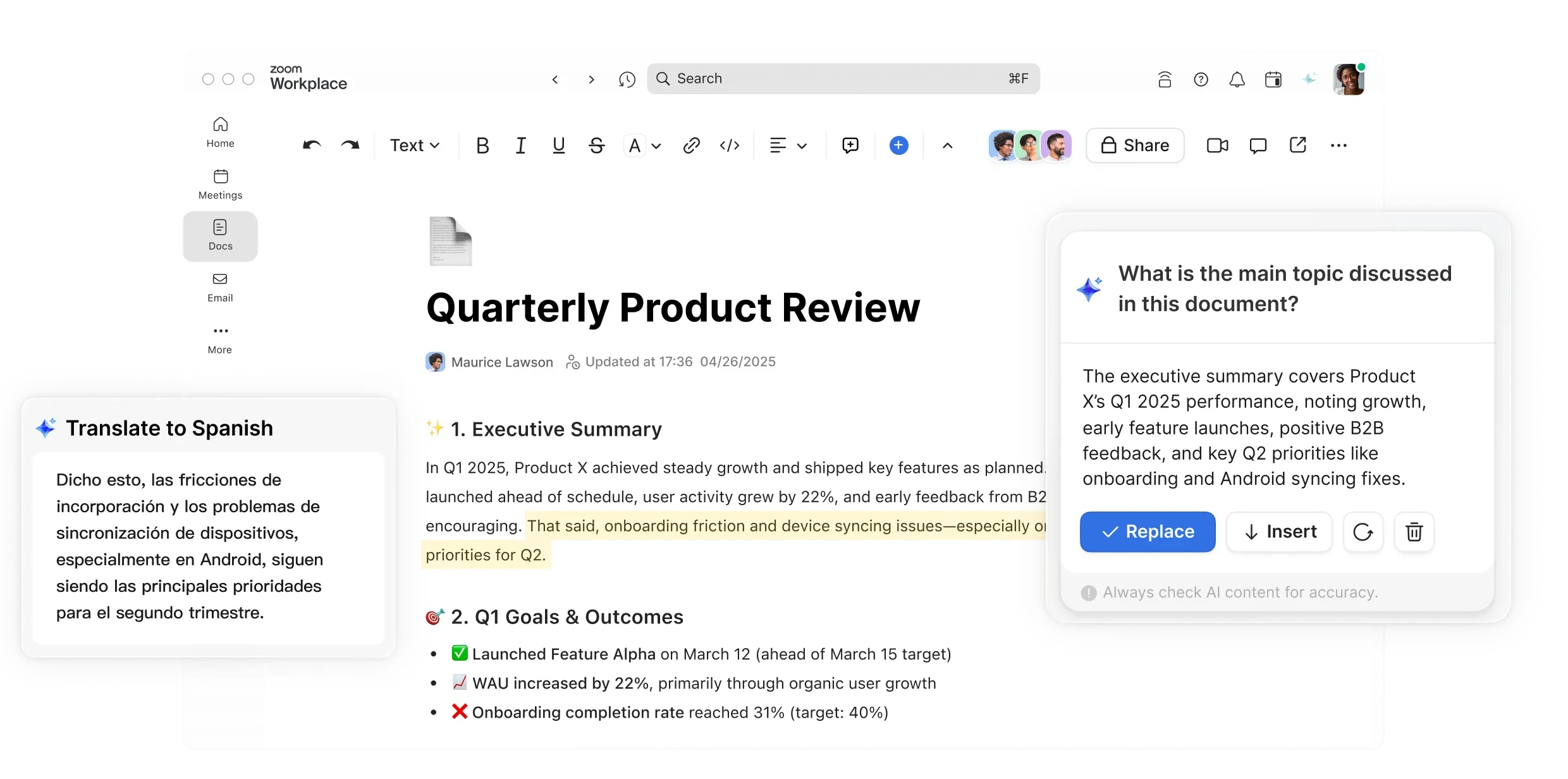
Agentic Retrieval: Zoom’s AI can now connect to your Gmail and Outlook. If a team member asks a question during a meeting, the AI can search your emails (with permission) to provide the answer live, without you needing to leave the call.
Multilingual Avatars: For global remote teams, Zoom now offers AI avatars that can deliver your presentation in multiple languages, maintaining your voice and likeness to ensure consistent communication across international offices.
5. Miro: The Innovation Workspace for Visual Strategy
Visual collaboration is the "missing link" in remote work. Miro provides an infinite canvas where remote teams can brainstorm as if they were in the same room.
AI Workflows for Innovation
In 2026, Miro introduced AI Workflows, which drastically shorten the innovation cycle.
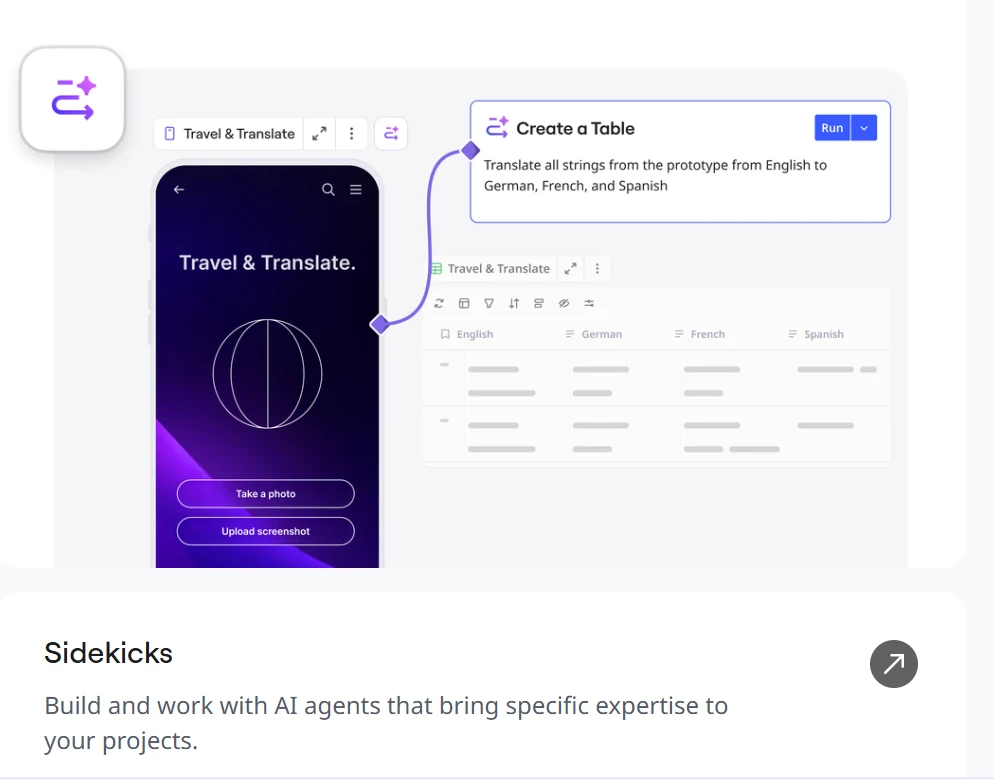
Messy Inputs to Structured Outputs: A team can dump 50 unorganized digital sticky notes onto a board. With one click, Miro AI clusters them by theme, identifies patterns, and converts the brainstorm into a structured Jira backlog or a strategic roadmap.
Intelligent Diagramming: Miro now recognizes rough hand-drawn sketches and converts them into professional-grade flowcharts and architectural diagrams, perfect for remote engineering and design teams.
Summary: Selecting Your 2026 Remote Toolstack
To truly succeed in 2026, remote teams must move beyond "tools" and start building "systems." By starting with Buildin as your central intelligence hub and layering on specialized tools for communication and project management, you create a resilient, scalable, and high-performing digital organization.
Ready to centralize your team’s knowledge? Discover the power of and start your free trial today.

Sency Shen
Skilled in content structuring, topic breakdown, and background research, with a strong interest in knowledge management and content workflows. Responsible for research, information organization, and foundational content preparation at Buildin.